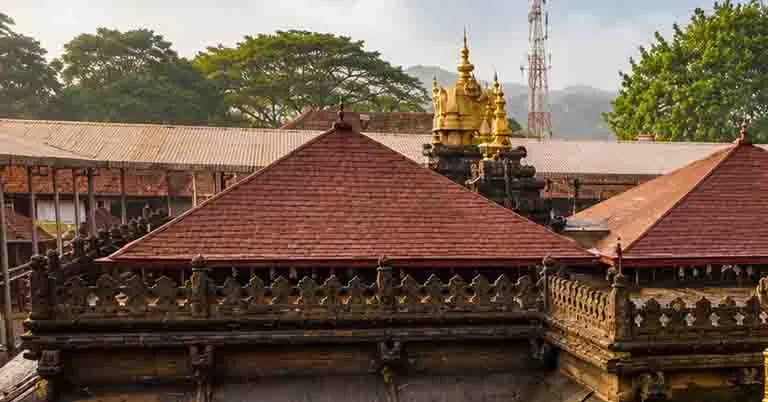
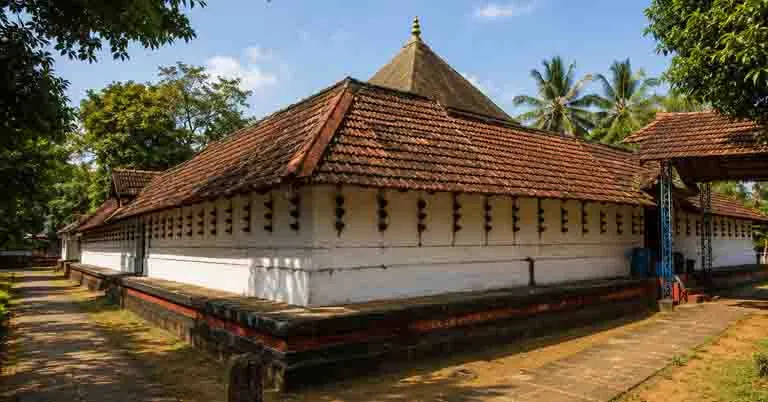
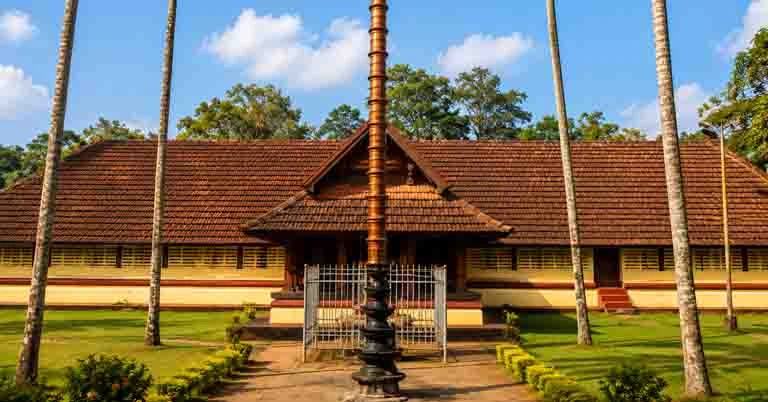
The Thiruvaloor Mahadeva Temple, located in Thiruvaloor village near Aluva in the Ernakulam district of Kerala, is one of the ancient and highly revered temples dedicated to Lord Shiva. With a history that stretches back several centuries, the temple holds immense spiritual, architectural, and cultural significance in the landscape of Kerala’s Shaiva tradition. It is one among the 108 Shiva temples believed to have been consecrated by Lord Parasurama, the sixth incarnation of Lord Vishnu, who is said to have created the land of Kerala itself.
Surrounded by serene natural beauty and enriched by mythological lore, Thiruvaloor Mahadeva Temple stands as a beacon of devotion and a testimony to Kerala’s age-old temple architecture and Vedic traditions.
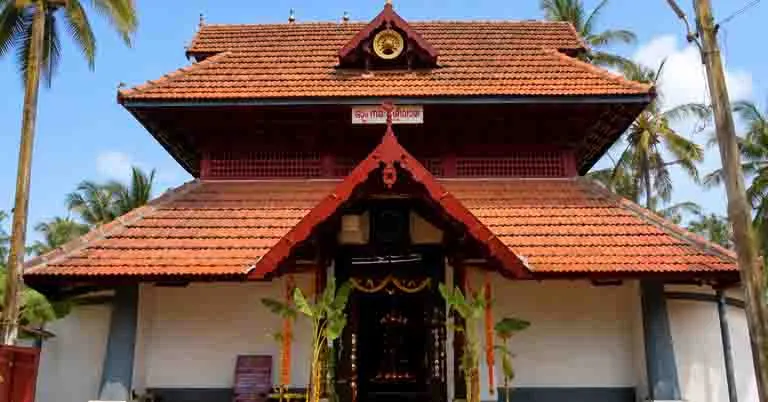
Mythological Background
According to Hindu mythology, the Thiruvaloor Mahadeva Temple traces its origins to the legend of Lord Parasurama. It is said that after reclaiming Kerala from the sea, Lord Parasurama installed 108 Shiva Lingams across the region to sanctify the newly formed land. Each of these temples represents a unique form or aspect of Lord Shiva, and Thiruvaloor Mahadeva Temple is believed to embody the Rudra Bhava — the fierce yet compassionate aspect of the Lord.
Another legend connects the temple to Sage Vyasa, who is said to have meditated here to attain divine wisdom. The region of Thiruvaloor, being close to the Periyar River, is believed to have been a site of intense meditation and penance performed by ancient sages seeking the blessings of Lord Shiva.
Local folklore also associates the temple with the Devasura Sangramam — the great cosmic battle between gods and demons. It is believed that after the war, Lord Shiva appeared here to grant peace and balance to the world. The name Thiruvaloor itself is thought to derive from “Thiru” (sacred) and “Valoor” (prosperous village), signifying its divine origin and sanctity.
Location and Setting
Thiruvaloor Mahadeva Temple is located about 8 kilometers from Aluva, on the banks of the Periyar River, which adds to its serene and auspicious atmosphere. The surrounding landscape is lush with coconut groves, paddy fields, and tranquil waters, giving the temple an ideal setting for spiritual contemplation.
The gentle flow of the river near the temple is believed to purify the devotees who come to seek blessings.
The proximity of the temple to Aluva Manappuram, another prominent Shiva shrine, enhances its religious importance, and many devotees visit both temples during auspicious occasions like Shivaratri and Pradosham.

Architectural Grandeur
The Thiruvaloor Mahadeva Temple exemplifies the traditional Kerala temple architecture, which emphasizes symmetry, simplicity, and harmony with nature. The temple complex is enclosed by a rectangular compound wall (prakaram), and its structures are made using natural materials such as laterite stones, granite, and wood — all designed to withstand Kerala’s tropical climate.
Sreekovil (Sanctum Sanctorum)
The Sreekovil, or sanctum sanctorum, is circular in shape, reflecting the classical style of Shiva temples in Kerala. It is topped with a copper-clad conical roof that gleams beautifully under the sun. Inside the sanctum lies the Shiva Lingam, representing Lord Mahadeva, which is believed to be self-manifested (Swayambhu). The deity faces east, symbolizing enlightenment and the rising sun.
Namaskara Mandapam
In front of the sanctum is the Namaskara Mandapam, a prayer hall supported by carved granite pillars. Devotees use this space for prostrating before the deity, and special rituals like Rudrabhishekam and Homam are performed here. The Mandapam’s wooden ceiling and beam carvings depict scenes from epics like the Ramayana and Mahabharata.
Chuttambalam and Nalambalam
The temple’s Chuttambalam (enclosed corridor) surrounds the central shrine, allowing devotees to perform Pradakshinam (circumambulation) while chanting mantras. The Nalambalam, which houses subsidiary shrines, is built in harmony with the Sreekovil, maintaining balance and proportion — a hallmark of Kerala’s sacred architecture.
Other Features
- Anakkottil: A platform for elephants during temple festivals and processions.
- Vilakkumadom: A circular structure around the sanctum used for lighting traditional oil lamps during rituals.
- Temple Pond (Theertham): Located to the north of the complex, this pond is used for purification rituals and the Aarattu ceremony during festivals.
The entire layout of the temple is aligned with cosmic principles of Vastu Shastra, symbolizing the connection between the human and the divine.
Deities and Sub-Shrines
While Lord Shiva is the principal deity of the Thiruvaloor Mahadeva Temple, several other deities are also worshipped within the complex, each representing different divine forces. The important sub-deities (Upadevatas) include:
- Goddess Parvati: The consort of Lord Shiva, symbolizing love, fertility, and divine energy.
- Lord Ganapathy (Ganesha): The remover of obstacles, worshipped first before all rituals.
- Lord Subramanya (Murugan): The son of Shiva, embodying valor and wisdom.
- Lord Ayyappa: Symbolizing celibacy and spiritual discipline.
- Naga Devatas (Serpent Gods): Representing fertility and ancestral protection.
- Brahmarakshas and Yakshi: Guardian deities who protect the temple from evil influences.
Each shrine is carefully positioned according to Tantric traditions, ensuring spiritual balance and completeness within the temple’s ecosystem.
Rituals and Poojas
The temple follows strict Tantric and Agamic traditions, with daily rituals conducted by qualified Thantris and Namboothiri priests. The major daily poojas include:
- Usha Pooja – Performed early in the morning to awaken the deity.
- Ucha Pooja – Conducted at noon, symbolizing divine nourishment.
- Deeparadhana – Evening lamp offering, illuminating the temple with hundreds of oil lamps.
- Athazha Pooja – The final ritual of the day before closing the sanctum.
Devotees often perform Rudrabhishekam, Mrityunjaya Homam, and Ganapathi Homam to invoke Lord Shiva’s blessings for health, longevity, and prosperity. Pradosham days (occurring twice a month) are particularly significant, as it is believed that Lord Shiva forgives sins and grants liberation on these occasions.
Mondays are considered especially auspicious for visiting the temple, and the chanting of Shiva Panchakshari Mantra (“Om Namah Shivaya”) fills the air, enhancing the temple’s spiritual vibrations.
Festivals and Celebrations
The Thiruvaloor Mahadeva Temple is renowned for its grand festivals that attract thousands of devotees every year. These festivals beautifully blend devotion, culture, and traditional art forms.
1. Maha Shivaratri
This is the most important festival celebrated at the temple, observed in the Malayalam month of Kumbham (February–March). Devotees fast, meditate, and stay awake throughout the night chanting Lord Shiva’s name. Special rituals such as Rudrabhishekam, Alankaram, and Abhishekam with milk, honey, ghee, and sandalwood paste are performed. The entire temple is illuminated with lamps, creating a divine spectacle.
2. Annual Temple Festival (Utsavam)
The temple’s annual festival typically lasts eight days and features traditional rituals like Kodiyettam (flag hoisting), Pallivetta (symbolic hunting ritual), and Aarattu (holy bath of the deity in the temple pond or nearby river). The festival culminates in a grand procession accompanied by Chenda Melam (traditional percussion), Panchavadyam, and cultural programs such as Kathakali and Thayambaka.
3. Pradosha Vratham
Observed twice a month, Pradosha is a sacred occasion dedicated to Lord Shiva. Devotees offer oil lamps, perform circumambulation, and recite Rudram and Chamakam hymns seeking divine blessings and relief from sins.
4. Thiruvathira Festival
Celebrated mainly by women, this festival marks the divine union of Shiva and Parvati. Traditional dances like Thiruvathirakali are performed as offerings to the deity.
Other notable observances include Karkidaka Vavu Bali (ancestral offering), Navaratri, and Mandala Kalam, each highlighting the temple’s vibrant religious calendar.
Cultural and Social Importance
The Thiruvaloor Mahadeva Temple is not just a place of worship but also a center of social and cultural unity. It serves as a hub for classical arts, music, and temple rituals that preserve Kerala’s rich heritage. The temple’s Koothambalam (performance hall) occasionally hosts Chakyar Koothu and Koodiyattam, classical Sanskrit theatrical forms that blend storytelling and spirituality.
The temple’s festivals foster community harmony, bringing together people from different walks of life. The Annadanam (free food distribution) during major festivals and Vratham days continues the temple’s tradition of service and compassion.
Historically, the temple was managed by prominent Brahmin families and local Desams (villages), ensuring its rituals and customs were maintained in their purest form. Today, it remains under the administration of the Cochin Devaswom Board, which oversees its preservation and development.
Spiritual Significance
Thiruvaloor Mahadeva Temple is often described as a place where divine energy flows abundantly. Devotees believe that Lord Shiva here manifests as Swayambhu — ever-awakened and compassionate. The atmosphere within the temple radiates calmness, encouraging meditation and introspection.
Many devotees testify to experiencing spiritual transformation after praying here. It is believed that sincere devotion at this temple removes obstacles, grants peace of mind, and purifies one’s karma. The temple’s tranquil setting beside the Periyar River further enhances the meditative experience, symbolizing the eternal flow of divine grace.
How to Reach
- Location: Thiruvaloor Mahadeva Temple, Thiruvaloor Village, near Aluva, Ernakulam District, Kerala.
- By Road: The temple is about 8 km from Aluva town and 25 km from Kochi. Regular buses and taxis are available.
- By Rail: The nearest railway station is Aluva Railway Station, just 7 km away.
- By Air: The nearest airport is Cochin International Airport (Nedumbassery), about 12 km from the temple.

Conclusion
The Thiruvaloor Mahadeva Temple stands as a timeless monument of devotion, tradition, and divine grace. Its sanctum, rituals, and festivals continue to uphold the spiritual essence of Kerala’s Shaiva culture. The temple not only offers a sacred space for prayer but also embodies the harmony between nature, architecture, and faith — the essence of Kerala’s temple heritage.
For devotees, a visit to Thiruvaloor Mahadeva Temple is more than a pilgrimage; it is a journey into the heart of devotion, where the eternal presence of Lord Shiva blesses all who seek peace, wisdom, and liberation.
Disclaimer
The information provided by Web Arbiter (‘we’, ‘us’, or ‘our’) on https://webarbiter.in/ . The website is for general informational purposes only. All information on the Site is provided in good faith, however we make no representation or warranty of any kind, express or implied, regarding the accuracy, adequacy, validity, reliability, availability, or completeness of any information on the Site. UNDER NO CIRCUMSTANCE SHALL WE HAVE ANY LIABILITY TO YOU FOR ANY LOSS OR DAMAGE OF ANY KIND INCURRED AS A RESULT OF THE USE OF THE SITE OR RELIANCE ON ANY INFORMATION PROVIDED ON THE SITE. YOUR USE OF THE SITE AND YOUR RELIANCE ON ANY INFORMATION ON THE SITE IS SOLELY AT YOUR OWN RISK. Read Full Disclaimer