

Amidst the sacred and serene landscapes of Pathanamthitta district in Kerala lies the Thiruvatta Mahadeva Temple, one of the most ancient and revered shrines dedicated to Lord Shiva. Steeped in legend, devotion, and architectural splendor, the temple stands as a monumental symbol of Kerala’s Shaivite tradition and spiritual glory. The divine aura of this temple has attracted devotees for centuries, offering them peace, wisdom, and liberation through the grace of Lord Mahadeva.
The Thiruvatta Mahadeva Temple is considered one of the 108 Shiva temples in Kerala, said to have been consecrated by Lord Parasurama, the sixth incarnation of Lord Vishnu. It holds immense religious importance as one of the few temples where Lord Shiva is worshipped in his form as a benevolent protector and healer rather than a fierce destroyer.
Historical Background
The antiquity of Thiruvatta Mahadeva Temple dates back over a thousand years, with references in palm-leaf manuscripts, temple records, and oral traditions linking it to the early Chera and Ay dynasties. The temple’s strategic location near the Achankovil River signifies its role not only as a spiritual hub but also as a center of social and cultural development in ancient Kerala.
According to legend, Lord Parasurama, after reclaiming the land of Kerala from the sea, established 108 temples dedicated to Lord Shiva to ensure balance and divine energy throughout the region. Thiruvatta was among these sacred sites, symbolizing the presence of Lord Shiva as the cosmic consciousness that sustains life and harmony.
Inscriptions and old temple grants (Deva Danam documents) suggest that local kings and noble families contributed generously to the upkeep of the temple, sponsoring rituals, festivals, and Vedic education. Over centuries, Thiruvatta became a vibrant spiritual center, attracting scholars, saints, and devotees from far and wide.
The Presiding Deity – Lord Mahadeva
The presiding deity of the temple is Lord Shiva, worshipped in the form of a Shivalinga, believed to be Swayambhu (self-manifested). The Lord is known here as Thiruvatta Mahadevan, embodying both the tranquil and powerful aspects of the divine. The Shivalinga faces east, symbolizing enlightenment and the dawn of consciousness.
A unique feature of this temple is that during the monsoon season, the Achankovil River floods and fills the sanctum with water. Devotees believe that this symbolizes the Abhishekam (holy bathing) of Lord Shiva by nature itself. This natural phenomenon is considered highly auspicious and draws thousands of devotees each year, who believe it cleanses sins and grants blessings.
The deity here is worshipped as a guardian and healer. Devotees pray to Lord Thiruvatta Mahadevan for protection from diseases, family harmony, and relief from karmic suffering. It is also believed that sincere prayers at this temple bring moksha (liberation), freeing the soul from the cycle of birth and death.
Architecture and Temple Layout
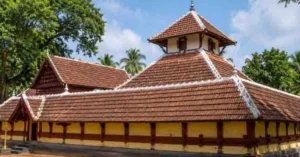
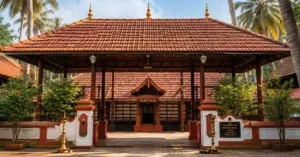
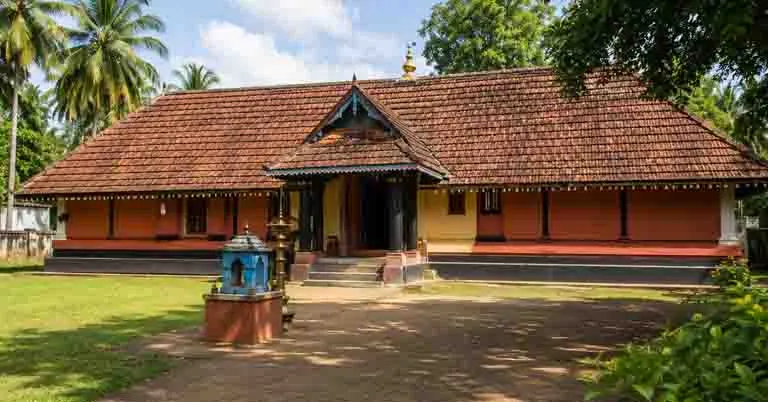
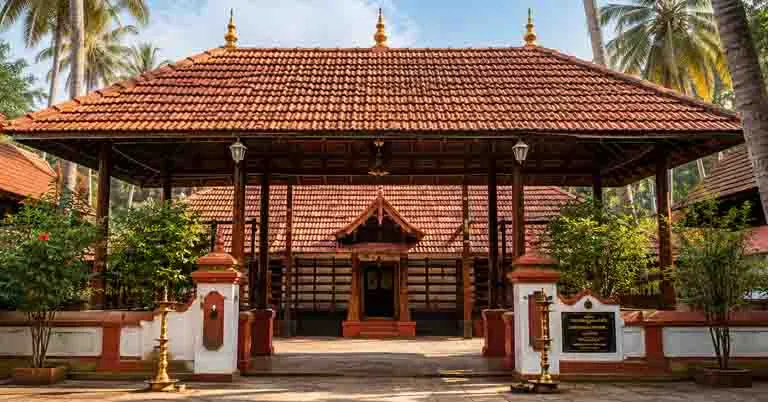
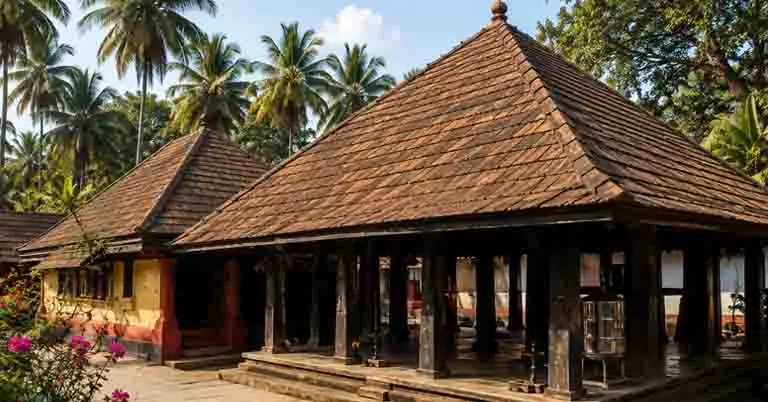
The architecture of Thiruvatta Mahadeva Temple reflects the traditional Kerala Dravidian style, known for its elegant simplicity, symbolic geometry, and integration with nature. The temple’s design follows the Vastu Shastra and Tantric Agamas, ensuring harmony between cosmic forces and the temple’s spiritual energy.
The Sreekovil (sanctum sanctorum) is circular in shape (Vatta Sreekovil), symbolizing infinity and cosmic completeness. The sanctum is constructed with laterite stones and wooden panels, topped with a copper-plated conical roof. Inside the sanctum resides the sacred Shivalinga, constantly anointed with water, milk, and sandalwood paste.
The Namaskara Mandapam, a square hall in front of the sanctum, features intricately carved wooden pillars depicting scenes from Shiva Purana — including Tripurantaka, Kirata Arjuna, and Daksha Yaga. The Dwajasthambham (flagstaff), made of brass and mounted on a granite base, stands before the mandapam, symbolizing spiritual ascent and divine connection.

Surrounding the main sanctum is the Chuttambalam (outer hall), where devotees perform Pradakshinam (circumambulation). The temple compound includes smaller shrines dedicated to Parvathi Devi, Ganapathi, Subramanya, Naga Devatas, and Ayyappa, signifying the presence of the divine family.
The temple pond (Ambala Kulam), located nearby, serves for ritual purification before entering the sanctum. Ancient banyan trees, stone lamps, and sacred groves (Sarpakavu) within the temple grounds enhance its spiritual ambiance.
Legends and Mythological Importance
Several fascinating legends surround Thiruvatta Mahadeva Temple, adding depth to its divine significance.
According to one popular legend, during the great flood of Pralayam, when the world was submerged in water, Lord Shiva manifested at Thiruvatta to protect and re-establish cosmic order. The overflowing of the river into the sanctum each year is seen as a divine reminder of this event, symbolizing renewal and the eternal cycle of creation and dissolution.
Another legend tells of a sage who performed penance on the riverbanks seeking Lord Shiva’s vision. Pleased with his devotion, Shiva appeared and blessed him, declaring that the place would forever radiate divine energy. Thus, Thiruvatta became known as a Tapovana — a sacred grove of meditation and enlightenment.
Locals also believe that the temple is linked to the Kirata episode of the Mahabharata, where Lord Shiva, in the guise of a hunter, tested Arjuna’s devotion and valor. Hence, the deity here is often worshipped as Kirateswara, symbolizing courage, humility, and spiritual victory.
Rituals and Worship Practices
The daily rituals at Thiruvatta Mahadeva Temple are conducted with precision according to traditional Kerala Tantric customs. The temple opens early in the morning with Nirmalyam (removal of the previous day’s offerings) and Abhishekam with pure water, milk, honey, and ghee.
The four main daily poojas include:
- Usha Pooja (Morning Ritual) – Invocation of divine energy at dawn.
- Ucha Pooja (Midday Offering) – Symbolizing sustenance and abundance.
- Deeparadhana (Evening Lamp Worship) – Offering of light and prayers at dusk.
- Athazha Pooja (Night Ritual) – Final offering symbolizing peace and completeness.
On Mondays, Pradosham days, and during special planetary alignments, the temple witnesses a surge in devotees who perform Rudrabhishekham, Mrityunjaya Homam, and Dhara (continuous pouring of liquids over the Shivalinga).
Devotees also perform Palabhishekam (milk offering), Vilwarchana (offering of Bilwa leaves), and Swayamvara Pooja for harmony in marriage and relationships. The temple priests maintain ancient tantric traditions passed down through generations, ensuring spiritual purity in every ritual.
Festivals and Celebrations
Festivals at Thiruvatta Mahadeva Temple are vibrant, spiritual, and culturally enriching, reflecting Kerala’s rich temple traditions.
The most prominent festival is Maha Shivaratri, celebrated with immense devotion and grandeur. The temple remains open all night, and thousands of devotees participate in continuous abhishekams, chanting “Om Namah Shivaya”, and meditating in silence. The atmosphere is charged with divine energy as lamps illuminate the temple and the sound of conch shells fills the air.
Other major festivals include:
• Pradosham: Observed twice a month to remove negative energies and karmic burdens.
• Thiruvathira: Dedicated to Parvathi Devi’s penance to unite with Lord Shiva, celebrated with fasting, prayers, and Thiruvathirakali dance.
• Vrischika Mahotsavam: The temple’s annual festival, lasting several days, featuring traditional arts such as Chenda Melam, Kathakali, and Nadaswaram.
• Navarathri and Mandala Pooja: Observed with meditation, Vedic recitations, and artistic performances.
The Arattu (holy bath of the deity) during the annual festival marks the culmination of celebrations, symbolizing purification and renewal. Cultural programs held during the festival preserve Kerala’s performing arts and community spirit.
Cultural and Social Significance
Beyond its spiritual essence, Thiruvatta Mahadeva Temple plays a vital role in Kerala’s cultural and social landscape. The temple has historically served as a center of Vedic learning, astrology, and classical arts. Its festivals bring together people of all backgrounds, reinforcing social unity and communal harmony.
The temple continues the age-old tradition of Annadanam (free food distribution), feeding thousands of devotees and visitors, especially during festive occasions. This act of charity reflects the temple’s belief in selfless service (Seva Dharma).
Local families remain closely connected to the temple, supporting its maintenance, rituals, and festivals through voluntary contributions. In this way, the temple sustains both the spiritual and cultural life of the community.
Renovation and Preservation
Over the centuries, the temple has undergone several renovations due to floods and natural decay. The most recent restorations were undertaken with the assistance of the Travancore Devaswom Board and the local devotees, ensuring that the original design and sanctity remain untouched.
Expert craftsmen were engaged to restore wooden carvings, copper roofing, and mural paintings using traditional materials and techniques. The temple now combines modern infrastructure with ancient aesthetics, providing comfort to pilgrims while preserving its divine charm.
The Divine Experience
A visit to the Thiruvatta Mahadeva Temple is an experience that transcends time and emotion. As devotees step through the eastern entrance, the rhythmic sounds of Nadaswaram and Chenda Melam fill the air. The fragrance of incense, the shimmering oil lamps, and the sight of the holy Shivalinga create an atmosphere of immense peace and reverence.
The natural flooding of the sanctum during the monsoon, seen as Lord Shiva’s self-performed Abhishekam, leaves visitors awestruck and spiritually rejuvenated. Sitting by the temple pond or beneath the ancient banyan tree, one can feel the vibration of centuries of prayers echoing through the land.
Meditation within the temple premises often brings a deep sense of inner stillness and connection with the universal spirit — the true essence of Lord Mahadeva.

Conclusion
The Thiruvatta Mahadeva Temple is more than a place of worship — it is a living embodiment of Kerala’s sacred heritage, faith, and artistry. Its legends, rituals, and natural sanctity make it a spiritual haven where the divine and the earthly coexist in perfect harmony.
As one of the most ancient Shiva temples, Thiruvatta continues to radiate the timeless energy of Lord Shiva, guiding devotees toward peace, wisdom, and liberation. Each prayer whispered in its sanctum, each lamp lit in its courtyard, and each offering made at its feet is an affirmation of eternal faith — that within the stillness of the heart resides the infinite presence of Mahadeva, the destroyer of darkness and the giver of light.
Standing gracefully by the river that performs its divine worship each year, the Thiruvatta Mahadeva Temple remains a sacred reminder of the eternal truth — that the divine is ever-present, flowing through nature, humanity, and the endless cycle of creation.
Disclaimer
The information provided by Web Arbiter (‘we’, ‘us’, or ‘our’) on https://webarbiter.in/ . The website is for general informational purposes only. All information on the Site is provided in good faith, however we make no representation or warranty of any kind, express or implied, regarding the accuracy, adequacy, validity, reliability, availability, or completeness of any information on the Site. UNDER NO CIRCUMSTANCE SHALL WE HAVE ANY LIABILITY TO YOU FOR ANY LOSS OR DAMAGE OF ANY KIND INCURRED AS A RESULT OF THE USE OF THE SITE OR RELIANCE ON ANY INFORMATION PROVIDED ON THE SITE. YOUR USE OF THE SITE AND YOUR RELIANCE ON ANY INFORMATION ON THE SITE IS SOLELY AT YOUR OWN RISK. Read Full Disclaimer