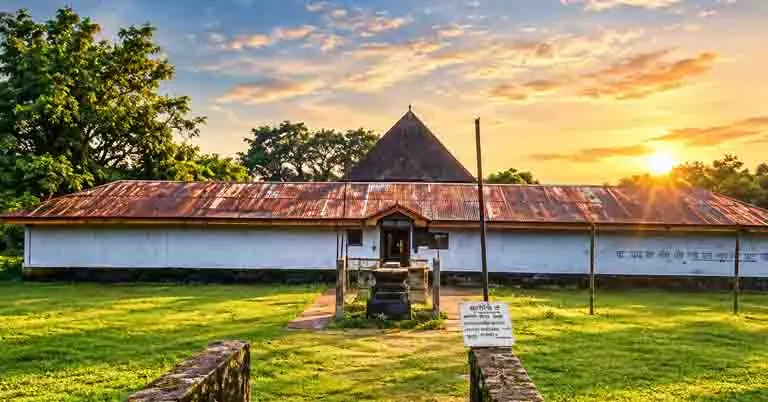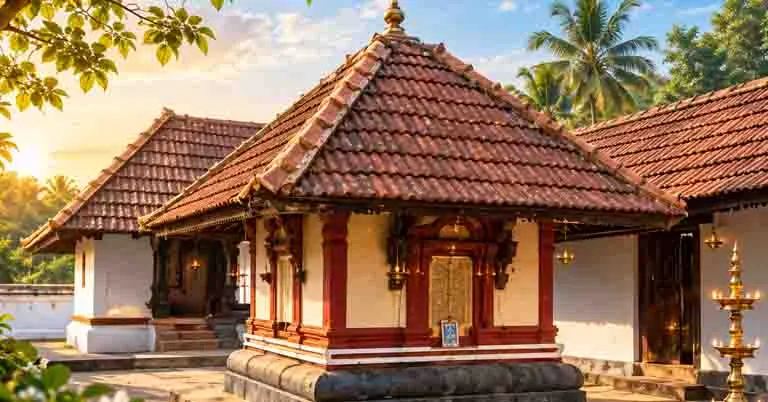
Nestled in the serene village of Thrichattukulam, near Cherthala in the Alappuzha district of Kerala, stands the majestic Thrichattukulam Mahadeva Temple, an ancient shrine dedicated to Lord Shiva. This temple, surrounded by tranquil backwaters, lush coconut groves, and an atmosphere of divine calm, is a timeless center of faith, culture, and spirituality.
Recognized as one of the 108 Shiva temples consecrated by Lord Parashurama, the divine sage credited with reclaiming Kerala from the sea, the Thrichattukulam Mahadeva Temple occupies an eminent position in Kerala’s religious and cultural landscape. The temple’s divinity, mythology, and artistic beauty make it a spiritual treasure for devotees across generations.
Historical Background
The Thrichattukulam Mahadeva Temple is believed to have been established thousands of years ago, during the early Cheran era, marking it as one of the oldest temples in Kerala. According to legend, Lord Parashurama constructed 108 temples for Lord Shiva across Kerala to maintain the spiritual balance of the land and protect it from evil influences. Thrichattukulam Mahadeva Temple is one among these sanctified centers, believed to embody Lord Shiva’s benevolent and meditative form.
The name Thrichattukulam is derived from the Malayalam words “Thiru” (sacred), “Chattu” (four), and “Kulam” (pond), signifying the temple’s association with four holy ponds surrounding it. These ponds are said to represent the four elements — earth, water, fire, and air — which symbolize the balance of cosmic energy sustained by Lord Shiva.
Ancient records, copper plates, and palm-leaf manuscripts preserved by local Brahmin families suggest that the temple flourished as a major Shaiva center during the rule of the Chera, Kulasekhara, and Travancore dynasties. It served as a seat of learning, art, and philosophy, attracting scholars, yogis, and spiritual seekers from distant regions.
Mythological Significance
Like many ancient temples of Kerala, Thrichattukulam Mahadeva Temple is woven into the tapestry of divine legends. One prominent legend recounts that during the celestial wedding of Lord Shiva and Goddess Parvati at Mount Kailash, Lord Shiva appeared in multiple forms to bless the world. One such divine manifestation occurred at Thrichattukulam, where he appeared as a serene Yogi in deep meditation, radiating peace and compassion.
Another legend associates the temple with Sage Parasara, a revered Vedic sage who performed penance here to seek Lord Shiva’s blessings for wisdom and liberation. It is believed that Lord Shiva manifested before him as a divine light and granted him profound knowledge, sanctifying the place forever.
Local folklore also mentions that the Shivalinga here is Swayambhu (self-manifested). A cow belonging to a local family was seen pouring its milk on a stone near a pond. When villagers discovered it, they realized it was a naturally formed Shiva Linga emitting divine radiance. They constructed a shrine around it, which evolved into today’s grand temple complex.
The Presiding Deity
The presiding deity of the temple is Lord Mahadeva (Lord Shiva), enshrined in the form of a Swayambhu Shivalinga, facing east — the direction of knowledge, light, and new beginnings. The Linga symbolizes the eternal cosmic energy and represents the unity of creation and dissolution.
Here, Lord Shiva is worshipped in his peaceful and meditative form, radiating tranquility and compassion. Devotees believe that Lord Shiva at Thrichattukulam listens to prayers immediately and grants relief from ailments, sorrows, and obstacles.
The temple also enshrines sub-deities such as Lord Ganapathy, Lord Subrahmanya, Lord Ayyappa, Goddess Bhagavathy, and Naga Devatas. Together, they form a divine pantheon symbolizing the harmony of cosmic energies.

Temple Architecture
The Thrichattukulam Mahadeva Temple is a remarkable example of traditional Kerala temple architecture, blending aesthetics, spirituality, and scientific precision. Constructed in the classical Vastu Shastra and Tantric style, the temple stands as a monument of cultural brilliance.
The Sreekovil (sanctum sanctorum) is circular, representing the infinite nature of divinity. It is topped with a copper-clad conical roof that gleams under the sunlight. The sanctum is surrounded by the Namaskara Mandapam, a square pavilion where priests perform offerings and devotees prostrate in reverence.
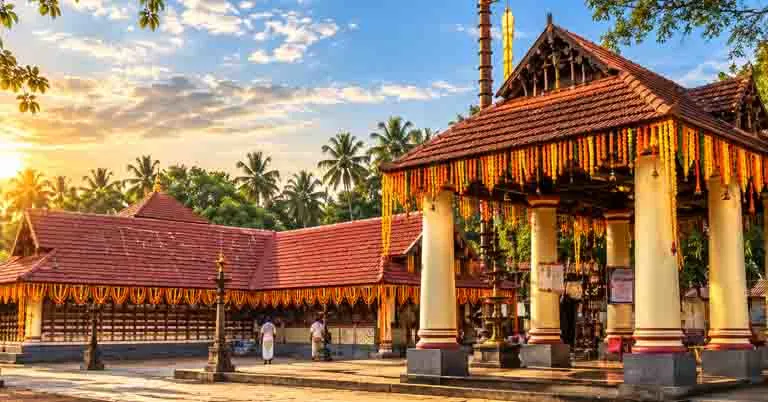
The Nalambalam (outer enclosure) surrounds the sanctum, allowing devotees to perform Pradakshina (circumambulation). The walls are adorned with exquisite wooden carvings and mural paintings depicting scenes from the Mahabharata, Ramayana, and Shiva Purana.
The Dwajasthambam (flagstaff), made of brass-covered wood, stands majestically before the sanctum, symbolizing the temple’s divine connection to the heavens. The Deepasthambam (lamp post) with multiple tiers of oil lamps, when lit during evening Deeparadhana, transforms the temple into a celestial vision.
A beautiful temple pond (Ambala Kulam) lies near the eastern gate, believed to be infused with spiritual energy. Ritual baths before entering the temple are considered purifying, both physically and spiritually.
Daily Worship and Rituals
The temple follows the Tantric Shaiva Agama tradition, performing five main daily rituals conducted by trained priests. The day begins before dawn and concludes late at night, filled with divine chanting, music, and offerings.
The primary daily rituals include:
- Nirmalyam – Removing the previous day’s floral offerings and cleaning the sanctum.
- Abhishekam – Ritual bathing of the Shivalinga with sacred substances such as water, milk, honey, ghee, sandalwood, and tender coconut water.
- Usha Pooja – Morning prayer invoking Lord Shiva’s blessings for a peaceful day.
- Ucha Pooja – Noon offering accompanied by Nivedyam (ritual food).
- Deeparadhana – Evening lamp worship performed with hymns and musical instruments.
- Athazha Pooja – The final night ritual before closing the sanctum.
Mondays, Pradosham days, and Maha Shivaratri hold special importance at the temple. Devotees also perform offerings such as:
- Dhara – Continuous pouring of sacred water or oil over the Shivalinga.
- Rudrabhishekam – A powerful ritual invoking Lord Shiva’s cosmic energy.
- Mahamrityunjaya Homam – Fire ritual for health and longevity.
- Palabhishekam – Milk offering for spiritual purification.
- Uma-Maheswara Pooja – Performed by couples seeking harmony and prosperity in marriage.
Festivals and Celebrations
The Thrichattukulam Mahadeva Temple celebrates several festivals with grandeur, devotion, and traditional splendor. These festivals not only embody religious significance but also serve as cultural expressions of Kerala’s vibrant heritage.
1. Maha Shivaratri
The most important festival of the temple, Maha Shivaratri, is celebrated in the Malayalam month of Kumbham (February–March). The entire temple glows with thousands of lamps, and devotees observe fasting, meditation, and all-night vigil chanting Om Namah Shivaya. Special Rudrabhishekams, Homams, and Vilakku rituals are performed, symbolizing the victory of light over darkness.
2. Annual Temple Festival (Utsavam)
The temple’s annual festival lasts for ten days, beginning with the Dwajarohanam (flag hoisting) and concluding with the Aarattu (holy bath) ceremony. The idol of Lord Shiva is taken in procession on a caparisoned elephant, accompanied by the rhythmic beats of Chenda Melam and Panchavadyam.
Each day features Ezhunnallathu (ritual procession), Seeveli (circumambulatory procession), and cultural performances such as Kathakali, Ottanthullal, Thayambaka, and Devotional Music Concerts. The festival attracts devotees from all over Kerala and creates an atmosphere of divine celebration.
3. Thiruvathira
This festival, celebrated mainly by women, commemorates the reunion of Shiva and Parvati. Women fast, perform Thiruvathirakali (devotional dance), and offer prayers seeking marital bliss and family harmony. The temple becomes vibrant with devotional songs and flower offerings.
4. Pradosham and Karkidaka Vavu
Every Pradosham day (the 13th lunar day), special Abhishekam and Deeparadhana are performed. During Karkidaka Vavu, devotees perform ancestral rituals (Bali Tharpanam) at the temple pond, praying for the liberation of their forefathers’ souls.
Cultural and Social Importance
Beyond its religious significance, the Thrichattukulam Mahadeva Temple serves as a cultural nucleus for the community. It has preserved Kerala’s classical art forms, rituals, and festivals for centuries. The temple’s Koothambalam (temple theatre) regularly hosts performances of Chakyar Koothu, Koodiyattam, and Kathakali, promoting Kerala’s artistic heritage.
The temple also engages in social service activities such as Annadanam (free food distribution), medical camps, educational assistance, and environmental awareness programs, reinforcing its role as a center of compassion and community welfare.
Administration and Management
The temple is administered under the Travancore Devaswom Board, which ensures the smooth conduct of rituals, preservation of heritage, and welfare of devotees. The temple management also collaborates with local committees to organize festivals and maintain the sanctity of the premises.
Location and Accessibility
The Thrichattukulam Mahadeva Temple is situated about 4 kilometers from Cherthala town and 25 kilometers from Alappuzha. The nearest railway station is Cherthala, and the closest airport is Cochin International Airport, approximately 60 kilometers away.
The temple is easily accessible by road, with regular bus and taxi services connecting it to major cities in Kerala. The visiting hours are typically from 4:00 AM to 12:00 PM and 5:00 PM to 8:00 PM, with extended timings during festivals.

Spiritual Experience
A visit to the Thrichattukulam Mahadeva Temple is an experience of profound peace and spiritual awakening. The rhythmic chanting of Vedic mantras, the fragrance of incense, the shimmering oil lamps, and the serene backwater breeze create a divine atmosphere that soothes the soul.
Devotees believe that sincere prayers to Lord Mahadeva here remove sins, bring inner calm, and guide one toward Moksha (liberation). The temple is particularly renowned for its power to alleviate distress, cure ailments, and bestow family prosperity.
Many devotees meditate by the temple pond or participate in Bhajans held during the evenings, experiencing a deep connection with the cosmic energy of Lord Shiva.
Conclusion
The Thrichattukulam Mahadeva Temple stands as a magnificent symbol of Kerala’s Shaiva tradition — a divine confluence of history, art, and spirituality. Its ancient sanctum radiates timeless grace, reminding devotees of Lord Shiva’s eternal presence as the source of all creation and dissolution.
From its origins in the Parashurama era to its present status as a revered pilgrimage destination, the temple continues to inspire devotion, unity, and peace. Every ritual, mural, and melody within its walls tells a story of faith and divine love.
For devotees and travelers alike, Thrichattukulam Mahadeva Temple offers not merely a glimpse of architectural beauty but an opportunity to experience the infinite — to stand before the Lord of the Universe and feel the stillness that transcends time.
Disclaimer
The information provided by Web Arbiter (‘we’, ‘us’, or ‘our’) on https://webarbiter.in/ . The website is for general informational purposes only. All information on the Site is provided in good faith, however we make no representation or warranty of any kind, express or implied, regarding the accuracy, adequacy, validity, reliability, availability, or completeness of any information on the Site. UNDER NO CIRCUMSTANCE SHALL WE HAVE ANY LIABILITY TO YOU FOR ANY LOSS OR DAMAGE OF ANY KIND INCURRED AS A RESULT OF THE USE OF THE SITE OR RELIANCE ON ANY INFORMATION PROVIDED ON THE SITE. YOUR USE OF THE SITE AND YOUR RELIANCE ON ANY INFORMATION ON THE SITE IS SOLELY AT YOUR OWN RISK. Read Full Disclaimer