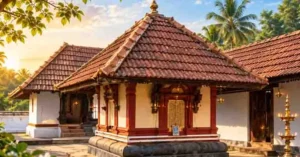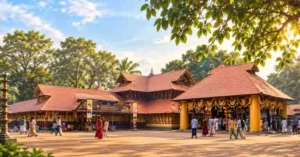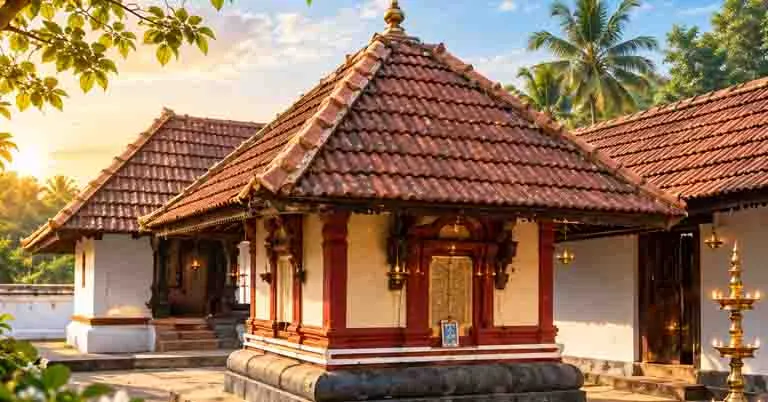


Nestled amidst the lush green hills and tranquil backwaters of Wayanad district in Kerala, the Thrissilery Shiva Temple stands as one of the most ancient and spiritually significant temples dedicated to Lord Shiva in South India. This temple, renowned for its deep mythological connections, unique rituals, and architectural elegance, occupies a central place in the spiritual and cultural history of Kerala. Thrissilery is not just a temple; it is a sacred space where myth, devotion, and nature harmoniously unite — a place where the divine presence of Lord Shiva is felt in every stone, every chant, and every drop of holy water.
Location and Setting
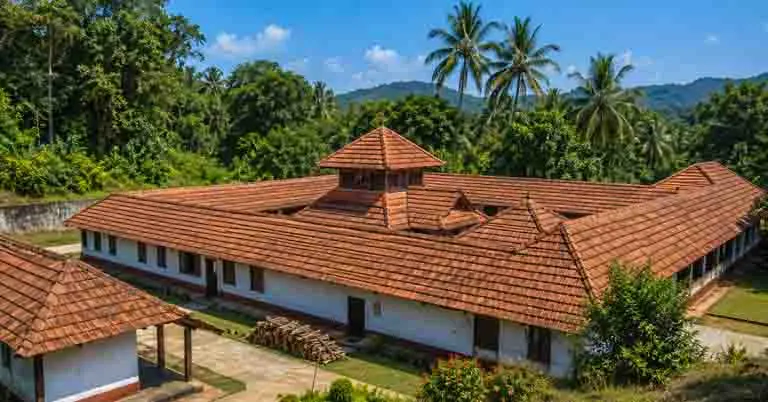
The Thrissilery Shiva Temple is situated in Thrissilery village, about 8 km from Mananthavady, in the northern part of Wayanad district. The temple lies in a serene valley surrounded by thick forests, mist-covered hills, and tranquil water bodies. The Papanasini River, which flows nearby, adds immense sanctity to the temple’s surroundings. The temple’s calm and natural setting makes it an ideal place for meditation, prayer, and spiritual reflection.
One of the most remarkable aspects of this temple is its spiritual connection to the Thirunelli Temple, dedicated to Lord Vishnu, located about 19 kilometers away. Pilgrims who visit Thirunelli for the ancestral rites (Bali Tharpanam) are required to visit Thrissilery Shiva Temple as well, as it is believed that only then will their offerings be spiritually complete. Thus, Thrissilery serves as the guardian temple of Thirunelli, symbolizing the unity of Lord Shiva and Lord Vishnu — the destroyer and preserver in the Hindu trinity.
Mythological Background and Legends
The origins of the Thrissilery Shiva Temple are deeply rooted in Hindu mythology and ancient spiritual traditions. Several fascinating legends surround its foundation and purpose.

1. Lord Parashurama’s Consecration
According to local belief, the Thrissilery Shiva Temple is one among the 108 Shiva temples consecrated by Lord Parashurama, the sixth incarnation of Lord Vishnu. After reclaiming the land of Kerala from the Arabian Sea, Parashurama is said to have sanctified the region by installing 108 Shiva Lingams across the land. Thrissilery, being one of these sacred sites, holds a divine and purifying energy believed to cleanse sins and grant moksha (liberation).
2. The Connection to Thirunelli Temple
The most significant legend about Thrissilery revolves around its inseparable connection with the Thirunelli Temple. It is believed that Lord Shiva himself entrusted the temple to Lord Vishnu for the completion of ancestral rituals. According to mythology, after performing Bali Tharpanam (ancestral offerings) at Thirunelli, devotees must visit Thrissilery and make offerings to Lord Shiva and Jala Durga for the rites to be spiritually fulfilled. This act symbolizes the cosmic unity of Hari (Vishnu) and Hara (Shiva), emphasizing the complementary nature of preservation and destruction in the universe.
The holy water source (spring) inside the Thrissilery Temple is said to originate from the Papanasini stream at Thirunelli, flowing underground through the forests and emerging within the temple premises. This miraculous connection reinforces the temple’s spiritual bond with Thirunelli and marks Thrissilery as a site of immense purificatory power.
3. The Legend of Jala Durga
Another captivating legend associated with the temple involves Goddess Jala Durga, who is enshrined within the temple complex. It is believed that Parasurama installed Jala Durga here to guard the temple and maintain the sanctity of the sacred waters that flow within its premises. According to myth, the goddess’s presence ensures that the divine energy of the temple remains undisturbed and pure.
Presiding Deity and Sub-Deities
The presiding deity of the Thrissilery Temple is Lord Shiva, worshipped here in the form of a Swayambhu (self-manifested) Lingam. The Lingam radiates powerful spiritual vibrations and is believed to grant peace, wisdom, and liberation to devotees who offer sincere prayers. The deity faces east, symbolizing enlightenment and the removal of darkness.
Alongside the main shrine of Lord Shiva, the temple complex houses several sub-deities (Upadevatas), including:
- Jala Durga, the guardian goddess of the temple and the divine protector of sacred waters.
- Lord Ganapathi, the remover of obstacles and harbinger of auspicious beginnings.
- Lord Subrahmanya (Murugan), the god of valor and spiritual knowledge.
- Lord Ayyappa, representing the unity of Shaiva and Vaishnava traditions.
- Nagadevatas, serpent deities worshipped for fertility and protection.
Each of these sub-shrines is intricately integrated into the temple’s layout, symbolizing the cosmic balance maintained by Lord Shiva.
Temple Architecture and Design
The Thrissilery Shiva Temple is a splendid example of traditional Kerala temple architecture, known for its simplicity, spiritual geometry, and harmony with nature. The temple’s layout and design follow the ancient principles of Vastu Shastra, aligning cosmic energy with the architectural structure.
Sreekovil (Sanctum Sanctorum)
The Sreekovil, or sanctum sanctorum, where the main deity resides, is built in the typical square plan seen in Shiva temples of Kerala. The sanctum is constructed using laterite stones and timber, with a conical copper-plated roof designed to protect it from heavy monsoon rains. The inner walls are adorned with intricate carvings depicting stories from the Shiva Purana and Mahabharata.
Namaskara Mandapam
In front of the sanctum lies the Namaskara Mandapam, a square platform supported by beautifully carved wooden pillars. Devotees offer prayers and perform prostrations here, symbolizing surrender before the divine.
Chuttambalam and Nalambalam
The Chuttambalam, an enclosed corridor around the sanctum, allows devotees to perform circumambulation (Pradakshina). The Nalambalam, or the inner courtyard, contains sub-shrines, the Vazhipadu counter (offering area), and the Thidappalli (temple kitchen).
Dwajasthambham and Bali Peetha
The Dwajasthambham (flagstaff), made of brass-covered wood, stands majestically before the sanctum. It symbolizes spiritual aspiration and the connection between heaven and earth. The Bali Peetha, or sacrificial altar, lies in front of the Dwajasthambham, where daily ritual offerings to guardian deities are made.
Sacred Water Tank (Theerthakulam)
The temple houses a sacred water tank inside the premises, which is believed to be connected to the Papanasini stream at Thirunelli. The water from this spring never dries up, even during severe droughts, signifying its divine origin. Devotees use this holy water for ablutions before entering the temple, as it is believed to wash away impurities and sins.
Rituals and Worship Practices
The rituals at Thrissilery Shiva Temple are conducted according to Tantric and Vedic traditions, reflecting centuries of spiritual continuity. The daily poojas include:
- Usha Pooja (Morning Ritual): Conducted at dawn to awaken the deity and invoke divine blessings.
- Ucha Pooja (Noon Worship): Performed at midday, accompanied by offerings of rice, flowers, and incense.
- Deeparadhana (Evening Lamp Worship): The temple is illuminated with oil lamps, and hymns are chanted as the deity is offered deepa (light).
- Athazha Pooja (Night Ritual): Marks the conclusion of the day’s worship, symbolizing the deity’s rest.
Special rituals such as Rudrabhishekam, Pradosha Pooja, and Sahasranamarchana are performed on auspicious days, especially during Mondays, Shivaratri, and the Pradosham period. Devotees also perform Bali Tharpanam for their ancestors, especially during the Karkidaka Vavu (new moon day of the Malayalam month Karkidakam).
Festivals and Celebrations
The temple celebrates several vibrant festivals that draw devotees from across Kerala and neighboring states.
1. Maha Shivaratri
Maha Shivaratri is the most important festival at Thrissilery Shiva Temple. Devotees observe fasting and night-long vigil, chanting the Panchakshari mantra (Om Namah Shivaya). The temple is beautifully decorated with lamps and flowers, and rituals such as Rudrabhishekam and Lingabhishekam are performed. The atmosphere during this festival is filled with divine energy and devotion.
2. Annual Temple Festival (Utsavam)
The annual festival, held in the Malayalam month of Kumbham (February–March), lasts for several days. It begins with the Kodiyettam (flag hoisting) and concludes with the Aarattu (holy bath) ceremony in the temple pond. The festival features:
- Processions with decorated elephants carrying the temple idol.
- Traditional art performances like Kathakali, Chakyar Koothu, and Panchavadyam.
- Rituals such as Annadanam (mass feeding) and Deepalankaram (lighting of lamps).
3. Pradosham and Thiruvathira
Pradosham, observed twice every month, is considered especially auspicious at Thrissilery. Devotees believe that prayers during this period remove sins and obstacles. Thiruvathira, celebrated mainly by women, honors the union of Lord Shiva and Goddess Parvati.
4. Karkidaka Vavu Bali
The Karkidaka Vavu Bali ritual, held during the new moon in the month of Karkidakam (July–August), is one of the temple’s most significant events. Thousands of devotees visit the temple to perform ancestral rites. The offerings made here are believed to ensure peace and liberation (moksha) for departed souls.
Cultural and Spiritual Importance
The Thrissilery Shiva Temple serves as an enduring symbol of Kerala’s Shaiva-Vaishnava unity and spiritual inclusivity. It represents the deep philosophical truth that Lord Shiva and Lord Vishnu are not two different entities but two aspects of the same cosmic reality. The temple also stands as a monument to Kerala’s architectural brilliance, cultural richness, and environmental harmony.
The surrounding region of Thrissilery has been home to Tantric scholars and Vedic teachers for centuries. The temple continues to function as a center for traditional learning, music, and cultural expression. Ritual arts like Theyyam, Koothu, and Nadan Pattu are performed during temple festivities, preserving Kerala’s vibrant folk heritage.
The serene environment of the temple, enhanced by the rhythmic chanting of mantras and the sound of temple bells, creates an atmosphere of deep peace and inner silence. Devotees often describe their visit as a spiritually transformative experience — one that purifies the mind, rejuvenates the spirit, and deepens one’s connection with the divine.
Accessibility
- Location: Thrissilery Village, near Mananthavady, Wayanad District, Kerala
- Nearest Town: Mananthavady (8 km)
- Nearest Railway Station: Thalassery or Kozhikode Railway Station (approx. 100 km)
- Nearest Airport: Kannur International Airport (about 80 km) or Calicut International Airport (120 km)
- Best Time to Visit: October to March (pleasant weather and festive season)

Conclusion
The Thrissilery Shiva Temple is more than an ancient shrine — it is a spiritual bridge between life and eternity, between Lord Shiva and Lord Vishnu, between humanity and the divine. The temple’s myths, architecture, and rituals reflect Kerala’s profound spiritual traditions and its unique synthesis of devotion and philosophy.
For pilgrims, Thrissilery represents a journey of purification and enlightenment — a place where sins are washed away, souls find peace, and devotees experience the timeless presence of Lord Shiva, the eternal consciousness. The tranquil landscape, divine legends, and sacred waters make this temple not only a site of worship but also a sanctuary of inner awakening.
In essence, the Thrissilery Shiva Temple embodies the spirit of Kerala’s eternal faith — where nature, culture, and spirituality coexist in perfect harmony, and where every heart that bows before Lord Shiva finds solace in his infinite grace.
Disclaimer
The information provided by Web Arbiter (‘we’, ‘us’, or ‘our’) on https://webarbiter.in/ . The website is for general informational purposes only. All information on the Site is provided in good faith, however we make no representation or warranty of any kind, express or implied, regarding the accuracy, adequacy, validity, reliability, availability, or completeness of any information on the Site. UNDER NO CIRCUMSTANCE SHALL WE HAVE ANY LIABILITY TO YOU FOR ANY LOSS OR DAMAGE OF ANY KIND INCURRED AS A RESULT OF THE USE OF THE SITE OR RELIANCE ON ANY INFORMATION PROVIDED ON THE SITE. YOUR USE OF THE SITE AND YOUR RELIANCE ON ANY INFORMATION ON THE SITE IS SOLELY AT YOUR OWN RISK. Read Full Disclaimer