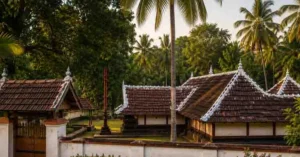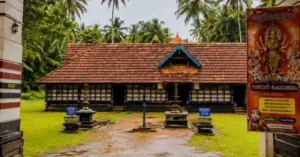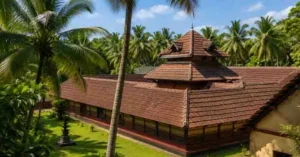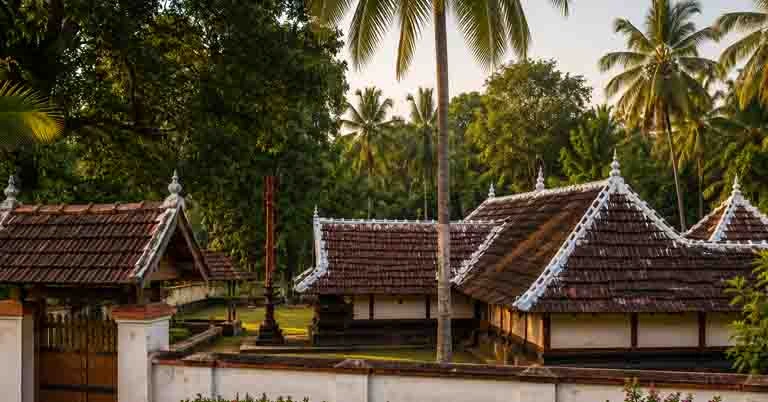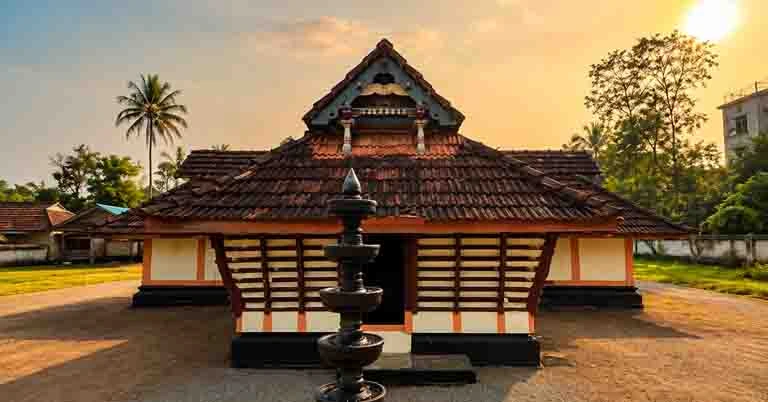


Nestled amidst the serene landscapes of Velappaya village in Thrissur district, Kerala, the Velappaya Mahadeva Temple is a magnificent testament to the ancient Shaiva tradition of South India. The temple is celebrated for its unique dual sanctums dedicated to two manifestations of Lord Shiva—one as a Swayambhu (self-manifested) Shiva Lingam, and the other as Kiratha Murthi, the fierce yet benevolent form of the Lord.
This rare architectural and spiritual configuration makes the Velappaya Mahadeva Temple an extraordinary shrine where the divine energies of tranquility and valor coexist in harmony. The temple is not only a centre of worship but also a cultural and historical monument that continues to inspire faith and devotion among thousands of devotees.
Location and Accessibility
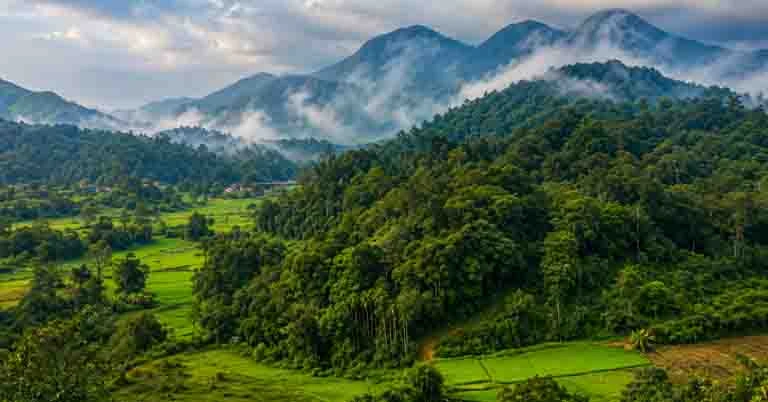
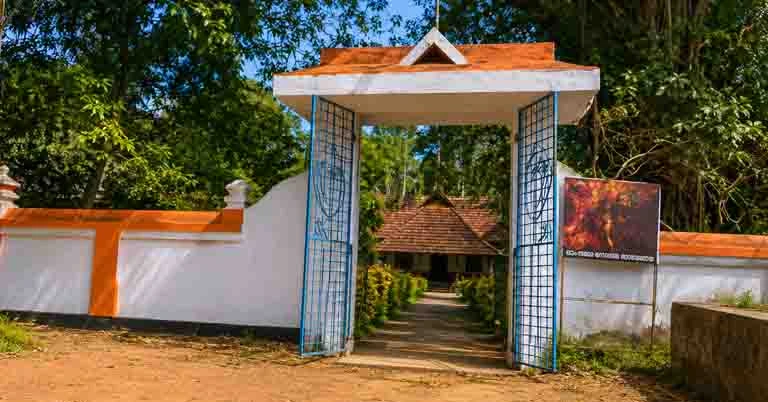
The Velappaya Mahadeva Temple is located around 10 kilometres from Thrissur city, along the route toward Mundur and Shornur. The temple’s surroundings are beautifully serene, featuring lush paddy fields, groves of coconut and areca palms, and small ponds that reflect the temple’s classic gopurams and tiled roofs.
Despite its proximity to the Kerala University of Health Sciences, which brings a modern vibrancy to the locality, the temple itself retains its ancient, peaceful aura. The area remains largely unspoiled, preserving the temple’s spiritual calm and village atmosphere.
The temple is easily accessible by road from Thrissur town, with frequent buses and auto services. Its location makes it convenient for pilgrims visiting the many ancient temples that dot the cultural landscape of Thrissur—the “Cultural Capital of Kerala.”
Legend and Mythological Significance
The origin of the Velappaya Mahadeva Temple is steeped in legend and mysticism. According to local tradition, this temple is believed to be one of the 108 Shiva Temples in Kerala, which were consecrated by Lord Parashurama, the sixth incarnation of Lord Vishnu.
It is said that Lord Parashurama reclaimed Kerala from the sea and installed Shiva Lingams across the land to sanctify it. The temple at Velappaya was among these, established to protect the spiritual energy of the Thrissur region.

The Dual Shrines and Their Symbolism
The temple houses two main Shiva shrines within the same compound, each reflecting a different divine aspect:
- Thekke Sreekovil (Southern Shrine):
o Contains a Swayambhu (self-manifested) Shiva Lingam, believed to have emerged naturally from the earth.
o The deity faces west, symbolizing the Lord’s watch over the setting sun—signifying the cycle of creation and dissolution.
o This Lingam represents peaceful and meditative Shiva, embodying wisdom, consciousness, and supreme stillness. - Vadakke Sreekovil (Northern Shrine):
o Houses Kiratha Murthi, the form of Shiva who appeared as a hunter to test Arjuna’s devotion and valor during the Mahabharata.
o This form represents Shiva as the destroyer of arrogance and ego, the divine warrior who guides devotees through courage and self-realization.
This coexistence of the serene and the fierce aspects of Shiva—in one temple—symbolizes the profound balance of cosmic forces. It teaches devotees that the divine encompasses both calmness and strength, creation and destruction, compassion and justice.
Historical Background
Though exact historical documentation is limited, architectural and cultural evidence suggests that the Velappaya Mahadeva Temple dates back to at least 1,200 years, placing its origin in the late Chera or early medieval period.
Ancient records and oral traditions indicate that this region was a centre for Vedic learning and ritual practices. The temple was likely under the patronage of local Namboothiri families, who served as custodians of worship and rituals. Over the centuries, the temple became a vital part of the Thrissur temple network, connecting spiritually to nearby temples like Vadakkumnathan, Thiruvambady, and Paramekkavu.
Today, the temple is maintained by the Cochin Devaswom Board, which oversees its daily worship, festivals, and renovation projects.
Architecture and Structure
The Velappaya Mahadeva Temple is a fine example of Kerala’s traditional temple architecture, designed with perfect adherence to Vastu Shastra principles. The structure harmonizes simplicity with divine grandeur, showcasing intricate craftsmanship and timeless beauty.
1. The Sreekovils (Sanctum Sanctorum)
- The southern shrine (vatta sreekovil) has a circular sanctum built of laterite and wood, covered by a copper-tiled conical roof. This architectural form symbolizes completeness and infinity—reflecting the boundless nature of Shiva.
- The northern shrine (chathura sreekovil) is square-shaped, representing stability and balance, and it houses Kiratha Murthi. The deity’s fierce yet compassionate expression is crafted in black granite, radiating spiritual power.
2. Namaskara Mandapam
In front of the sanctum lies the Namaskara Mandapam, an open pillared hall used for rituals and offerings. The wooden beams and ceiling are often adorned with carvings depicting mythological stories, including scenes from the Mahabharata and Ramayana.
3. Dwaja Stambham and Deepastambham
A tall Dwaja Stambham (flag mast) stands before the temple, used during festivals for the ceremonial flag-hoisting. The Deepastambham (lamp tower), with multiple tiers of brass lamps, is illuminated during evenings, casting a divine glow across the courtyard.
4. Chuttambalam and Nalambalam
The temple is surrounded by a Chuttambalam (outer corridor) and a Nalambalam (inner cloister)—allowing devotees to perform circumambulation (Pradakshina) in peace. The pathway is lined with oil lamps and tulasi plants, enhancing the sacred atmosphere.
5. Temple Pond
The temple has a clear-water tank nearby, used for ritual purification and the ceremonial Arattu (holy bath of the deity) during the annual festival. The pond, bordered by laterite steps and shaded by banyan trees, adds to the temple’s tranquil charm.
Deities and Sub-Shrines
In addition to the two main Shiva shrines, the temple also houses smaller sanctums for other deities, reflecting the inclusive nature of Kerala’s temple traditions:
- Lord Ganapathi (Vighneswara) – worshipped before any major ritual to remove obstacles.
- Lord Ayyappa (Sastha) – symbolizing discipline and devotion.
- Naga Devatas (Serpent Gods) – enshrined under a sacred tree, associated with fertility and protection.
- Goddess Durga and Bhagavathi – representing the feminine energy of the cosmos.
These sub-shrines allow devotees to experience the divine in multiple forms, making the temple a complete spiritual destination.
Daily Rituals and Poojas
The Velappaya Mahadeva Temple follows strict Tantric rituals of the Kerala Shaiva tradition. Worship is conducted twice daily, and the day begins before dawn with temple bells and chanting.
Major Rituals Include:
- Nirmalyam and Abhishekam:
The early morning purification ritual where the previous day’s offerings are removed, and the Lingam is bathed with water, milk, ghee, and honey. - Usha Pooja:
Morning prayer performed to awaken the deity, accompanied by traditional instruments like Chenda and Ilathalam. - Ucha Pooja:
Midday offering of cooked rice (naivedyam) and deep worship with incense, lamps, and flowers. - Deeparadhana:
Evening worship when the temple glows with hundreds of lamps, and the air fills with chants of “Om Namah Shivaya.” - Athazha Pooja:
The final ritual before closing the sanctum, symbolizing peace and completion of the day’s cycle.
Special Offerings (Vazhipadu):
- Dhara – continuous pouring of water, milk, or ghee on the Lingam.
- Rudrabhishekam – ritual invoking Lord Rudra for purification.
- Mrityunjaya Homam – for longevity and protection from ailments.
- Udayasthamana Pooja – a full-day worship performed by families for prosperity.
- Vedi Vazhipadu (firecrackers) – symbolic of burning away negative energies.
Festivals and Celebrations
Festivals at Velappaya Mahadeva Temple blend devotion, art, and community spirit, embodying Kerala’s temple culture.
1. Maha Shivaratri
The most significant festival, Maha Shivaratri, is celebrated in the Malayalam month of Kumbham (February–March). The temple remains open throughout the night, with devotees engaging in continuous worship, meditation, and recitation of Shiva Sahasranamam. Thousands of oil lamps illuminate the premises, creating a celestial glow symbolizing spiritual awakening.
2. Annual Utsavam
The annual festival (Utsavam) lasts several days and features rituals like:
- Kodiyettam (flag hoisting) to mark the beginning.
- Processions with caparisoned elephants, accompanied by Panchavadyam and Chenda Melam (traditional percussion).
- Annadanam (free feast) for devotees.
- Concluding Arattu ritual, where the idol is taken for a holy bath in the temple pond.
3. Other Observances
- Pradosham: Fortnightly ritual to cleanse sins and negativity.
- Thiruvathira: A festival celebrating the cosmic dance of Shiva, observed by women devotees with fasting and devotional songs.
- Ayilyam Pooja: Dedicated to Naga Devatas for protection and fertility.
Spiritual and Philosophical Significance
The Velappaya Mahadeva Temple holds profound spiritual meaning beyond its physical beauty. The twin shrines symbolize the dual nature of existence—the meditative and the dynamic, the peaceful and the fierce.
Worshipping at both shrines is said to harmonize Jnana (knowledge) and Karma (action), guiding devotees toward holistic self-realization. The Swayambhu Lingam absorbs worldly impurities and grants inner peace, while the Kiratha Murthi form bestows courage, determination, and victory over ego.
The temple thus represents the unity of dualities, a cornerstone of Shaiva philosophy that teaches oneness amidst diversity.
Community and Cultural Role
The Velappaya Mahadeva Temple is not merely a religious site—it serves as a cultural nucleus for the local community. The temple organizes:
- Annadanam (food distribution) programs.
- Educational and medical aid initiatives for nearby villagers.
- Classical music and dance performances during festivals, nurturing Kerala’s artistic traditions.
The temple committee and local devotees actively preserve its heritage, ensuring rituals continue in their purest form while integrating community welfare.
Visitor Information
- Location: Velappaya, Thrissur District, Kerala, India
- Nearest Town: Thrissur (10 km)
- Nearest Railway Station: Thrissur Railway Station (10 km)
- Nearest Airport: Cochin International Airport (~55 km)
- Timings:
- o Morning: 4:30 AM – 11:30 AM
- o Evening: 5:00 PM – 8:00 PM
- Best Time to Visit: Maha Shivaratri and Annual Utsavam (Feb–Mar)
Etiquette for Visitors:
- Wear traditional attire (men in mundu, women in sari/salwar).
- Photography inside the sanctum is prohibited.
- Offer flowers, coconuts, and oil lamps as respectful offerings.
- Maintain silence and reverence in the temple premises.
Conclusion
The Velappaya Mahadeva Temple stands as a timeless symbol of Kerala’s deep-rooted spirituality and cultural brilliance. Its twin shrines, dedicated to Swayambhu Shiva and Kiratha Murthi, embody the essence of divine balance—between calmness and might, meditation and action, peace and power.
Through its rituals, architecture, and enduring faith, the temple continues to guide generations toward self-realization and harmony with the universe. Whether one seeks solace, strength, or spiritual awakening, Velappaya Mahadeva Temple offers all—wrapped in the tranquil rhythm of bells, chants, and flickering oil lamps that have burned here for centuries.
Disclaimer
The information provided by Web Arbiter (‘we’, ‘us’, or ‘our’) on https://webarbiter.in/ . The website is for general informational purposes only. All information on the Site is provided in good faith, however we make no representation or warranty of any kind, express or implied, regarding the accuracy, adequacy, validity, reliability, availability, or completeness of any information on the Site. UNDER NO CIRCUMSTANCE SHALL WE HAVE ANY LIABILITY TO YOU FOR ANY LOSS OR DAMAGE OF ANY KIND INCURRED AS A RESULT OF THE USE OF THE SITE OR RELIANCE ON ANY INFORMATION PROVIDED ON THE SITE. YOUR USE OF THE SITE AND YOUR RELIANCE ON ANY INFORMATION ON THE SITE IS SOLELY AT YOUR OWN RISK. Read Full Disclaimer